Member Profile: Haven King-Nobles
This profile is part of the "People of Giving What We Can" series.
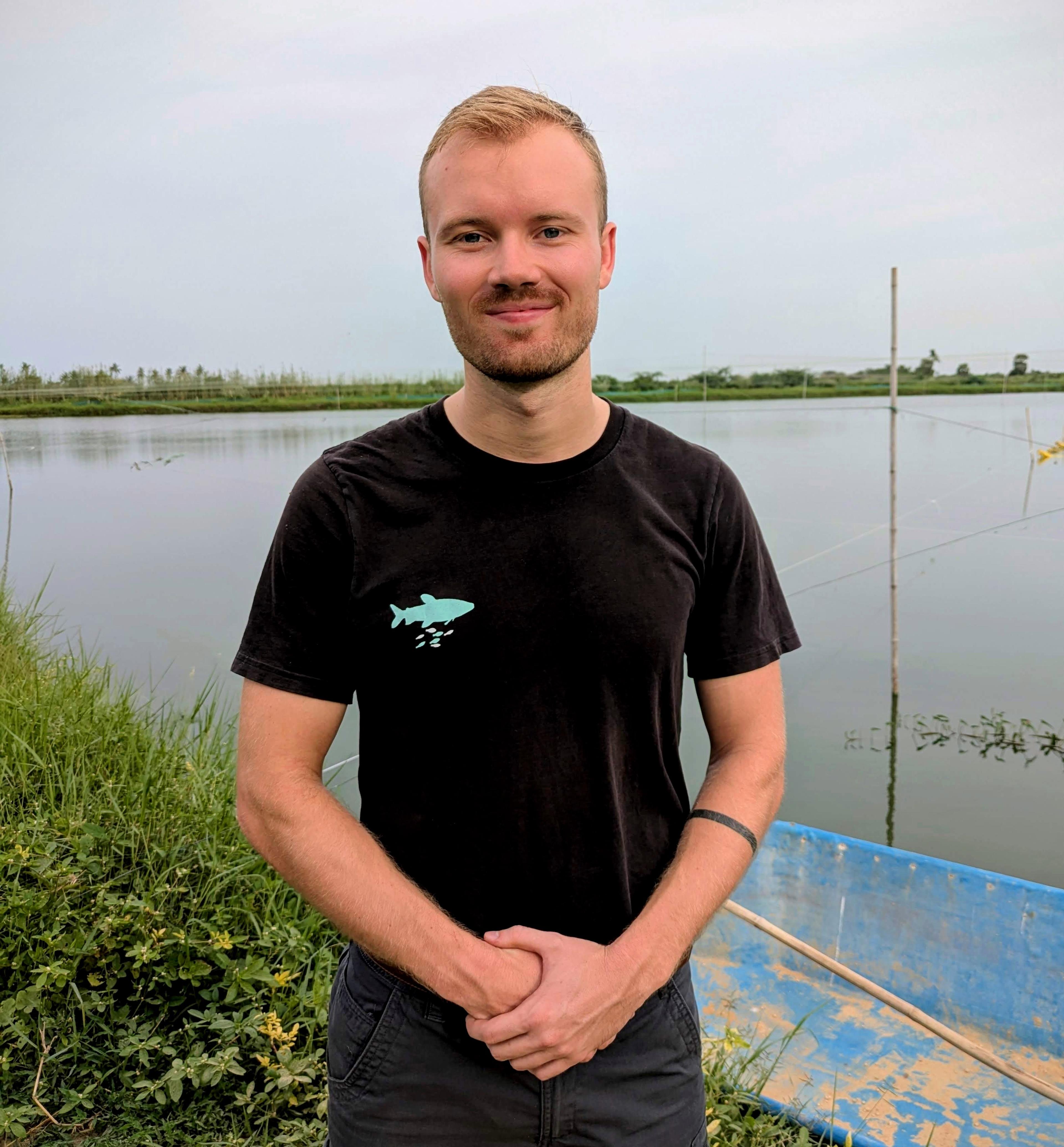
This is my story of taking, and continuing to live, the 10% Pledge, first as a student and now as a charity founder.
Taking the pledge at university
I first learned about the effective altruism (EA) community as a university student back in 2017. Although of course I never felt so at the time, looking back, my life then was pretty simple: I had few obligations beyond myself, classes were easy enough, and politically and ethically I had all the radicalism and black-and-white thinking that abounds in people of that age.
So when I came across EA, via Peter Singer’s TED Talk, I was completely and immediately sold. Finally, here was a community that didn’t just talk about ethical commitments, but actually lived them out! As a philosophy student who had been stewing on these questions for years, it was validating to discover that there were, in fact, other people like me. I wasn’t alone.
A few months after that fateful Ted Talk, I learned of Giving What We Can and its 10% Pledge. I believe within days, and with very little thought given, I had taken the pledge.
For me, this was a very simple, even impulsive, choice. Part of the reason for this was probably because as a student, I was earning very little money, and so I figured that 10% of basically nothing is… basically nothing!
And so I finished university donating here and there to the Against Malaria Foundation and other charities, and for a while I even had my 10% Pledge certificate proudly posted on my wall. I remember one of the first times I made what felt like a large donation. Afterwards, I sat there nearly in tears, thinking about the difference I was able to make. I remember thinking that even if the rest of my life amounted to absolutely nothing, the fact that I had given this money (and in expectation given some child with years of healthy life) made it all worth it.
Founding a charity (and still giving)
After graduating, I was (to my surprise) accepted into the Charity Entrepreneurship Incubation Program, which helps people launch new high-impact charities. Through this program, I co-founded Fish Welfare Initiative (FWI) in 2019, alongside the inimitable (and fellow 10% pledger) Tom Billington.
One of the first operational tasks you face when starting a charity is setting your own salary. That is: how much money, from donor funds, you will pay yourself. This is a surprisingly tricky exercise, especially when (a) you’re 22 and have no real idea what a “reasonable” salary is, and (b) you’re part of this hardcore do-gooder community where sacrifice is implicitly expected, and where you’re acutely aware that the counterfactual use of funds would almost certainly be something else useful for the world.
On top of this, I had my pledge to think about. Should I factor that into the salary I set for myself? Would that be inefficient, since the money would go from donors to FWI, then to me (with some shaved off for taxes), and then back out again as donations?
I don’t think there’s a single right answer here. Tom chose to take a lower salary so that more money could be invested directly into our fledgling organisation. I chose the other option, and explicitly factored a 10% donation margin into the salary I set for myself. I did this for a few reasons:
- It was important to me to maintain the habit of giving. I worried that if I stopped then, it would be much harder to start again later.
- I wanted to continue giving publicly, and to keep reinforcing the idea that donating (and donating effectively) is something people should do.
- I wanted to diversify my impact. Even if FWI turned out not to be very effective, at least I’d still be doing some good in the world through other causes.
Tom and I also both chose starting salaries that would strike many people in the US or UK as quite low. I started at $30,000 USD; Tom, in part because he wasn’t factoring in donations, started significantly lower still. But, as we were used to being cash-poor university students, to us this still felt like a lot! It helped, of course, that neither of us had student loans, dependants, or any serious financial obligations.
And so we began FWI, and I continued donating my 10%. By sharing rent and staying with friends while travelling, I found I could live comfortably within my means and still give happily.
My pledge today
Fast forward seven years to today. I’m still working at Fish Welfare Initiative, though Tom moved on last year. Our salaries have increased somewhat as the organization has professionalized, though not dramatically. I’ve continued donating 10% each year, and my Pledge Dashboard tells me I’ve given roughly $25,000 since I first took the pledge.
If all of that money had gone to the Against Malaria Foundation (it didn’t, I’ve since diversified across other charities causes), it would be estimated to have saved the lives of five children. Once again, I’m reminded that if I do nothing else useful in life, I think saving the lives of several people would more than make up for all the resources I’ve consumed.
Continuing to pledge as a charity founder remains deeply meaningful to me. It gives me another way to live out my values, and it keeps me connected to forms of charitable work, such as helping humans in poverty, that are very different from the animal advocacy I focus on day-to-day. It’s something I’d encourage other charity founders (and really anyone earning above the poverty line in wealthy countries) to consider.
This post is part of the “People of Giving What We Can" series, which profiles a selection of the Giving What We Can community. The Giving What We Can community is comprised of people from all walks of life, with different perspectives and motivations for giving – all united by their desire to make a significant commitment to use their income to effectively help others.
-Read more member stories.
-Share your effective giving story to help inspire others to give more, and more effectively.