| about us | the problem | our pledge | resources | news | getting involved |
|
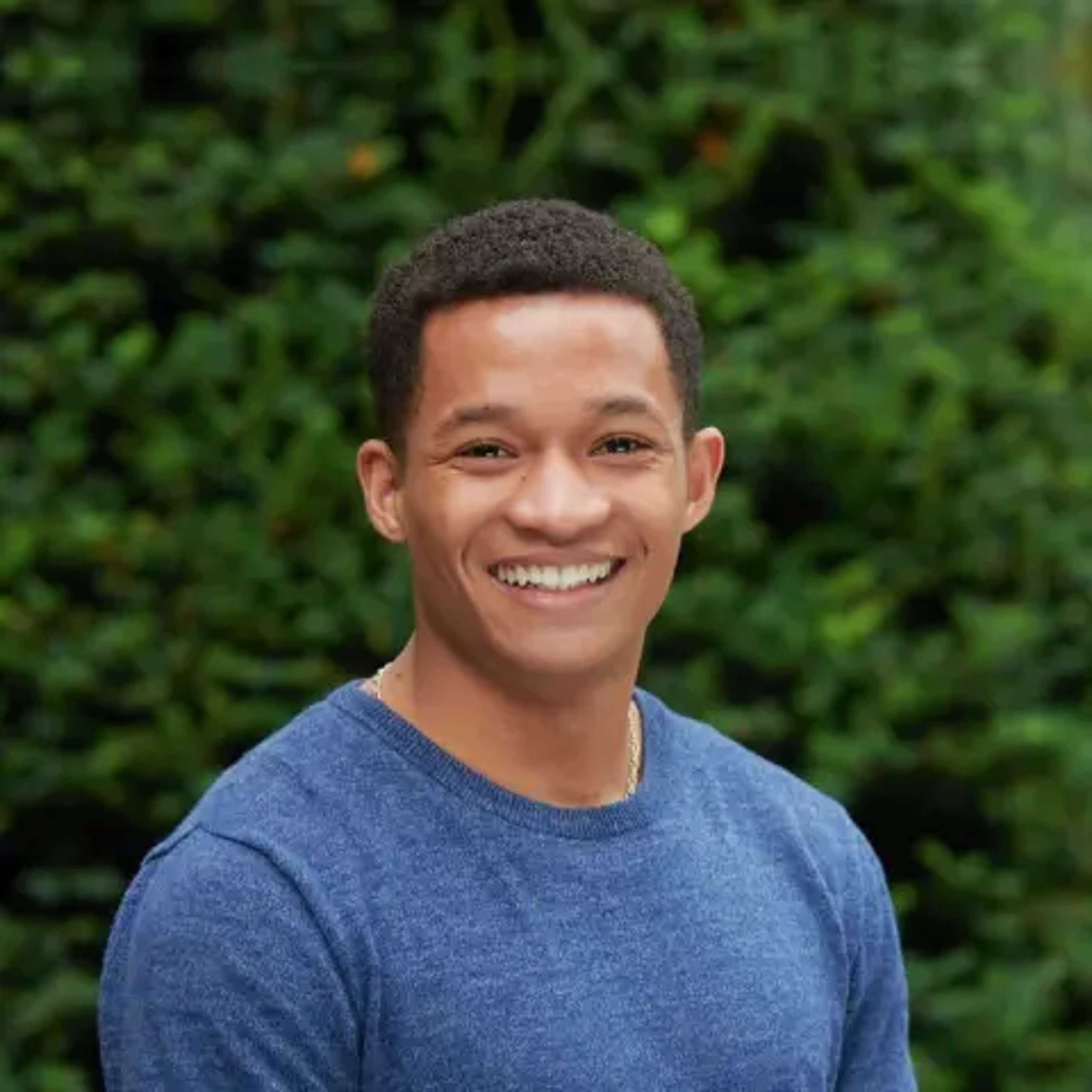
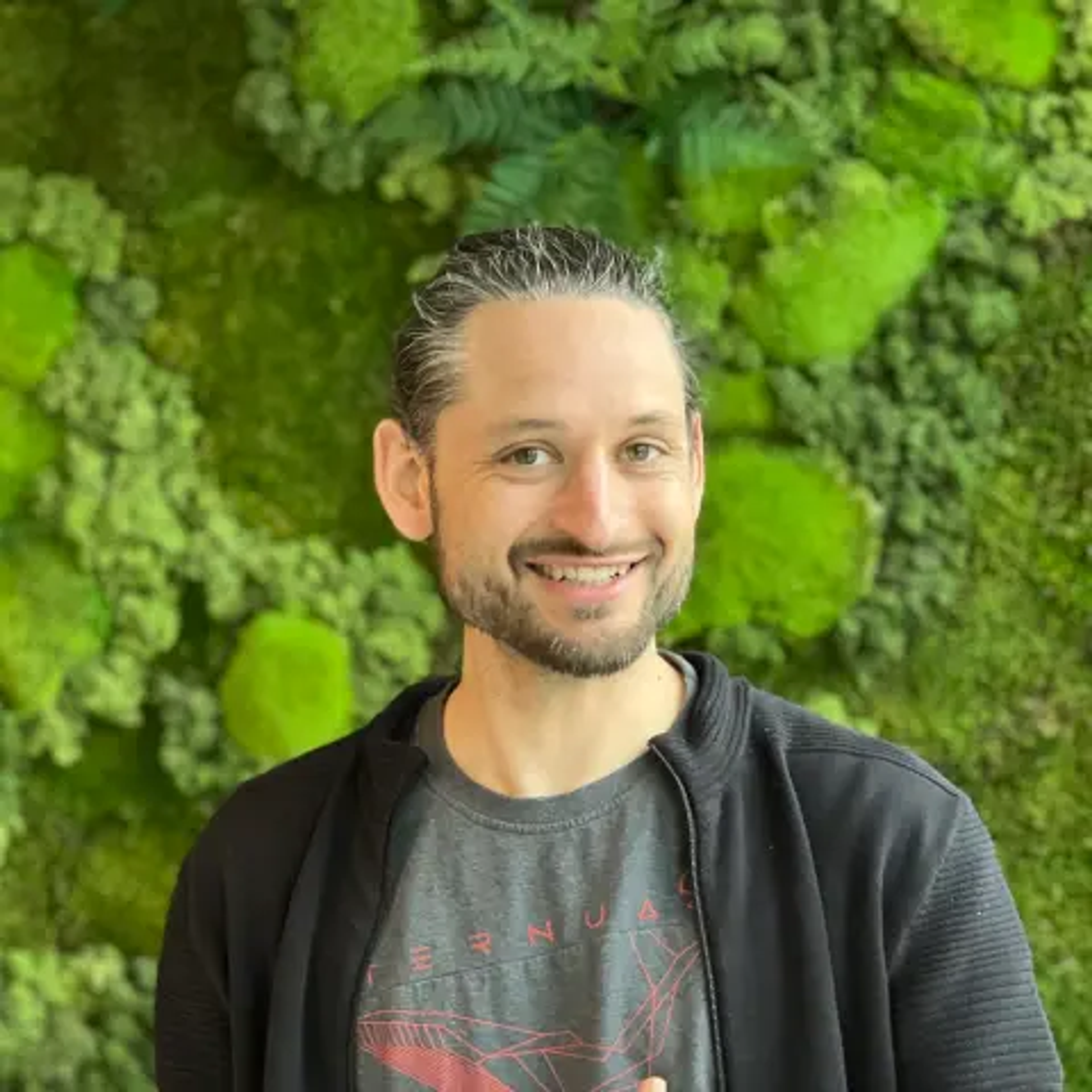
Member ProfilesToby Ord
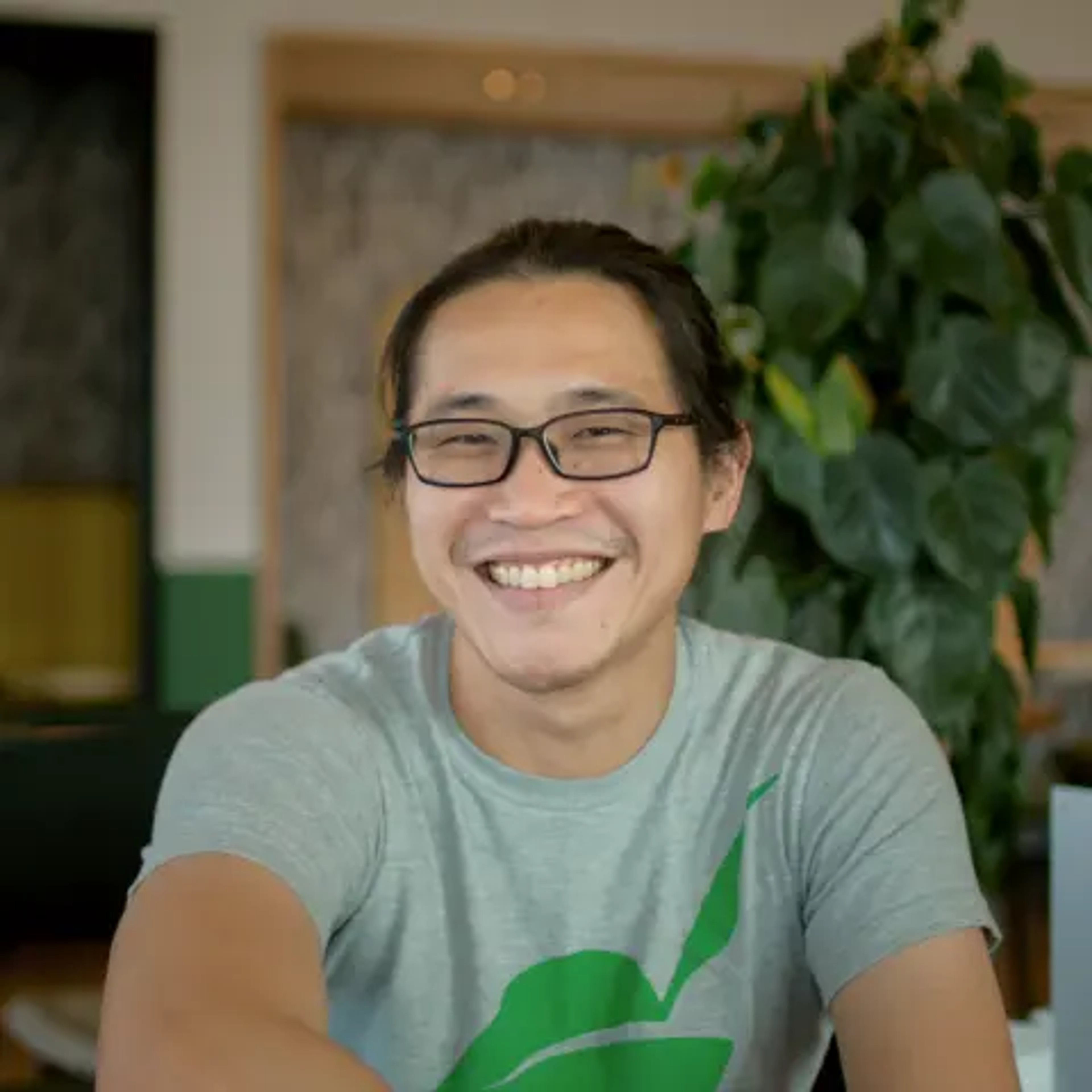
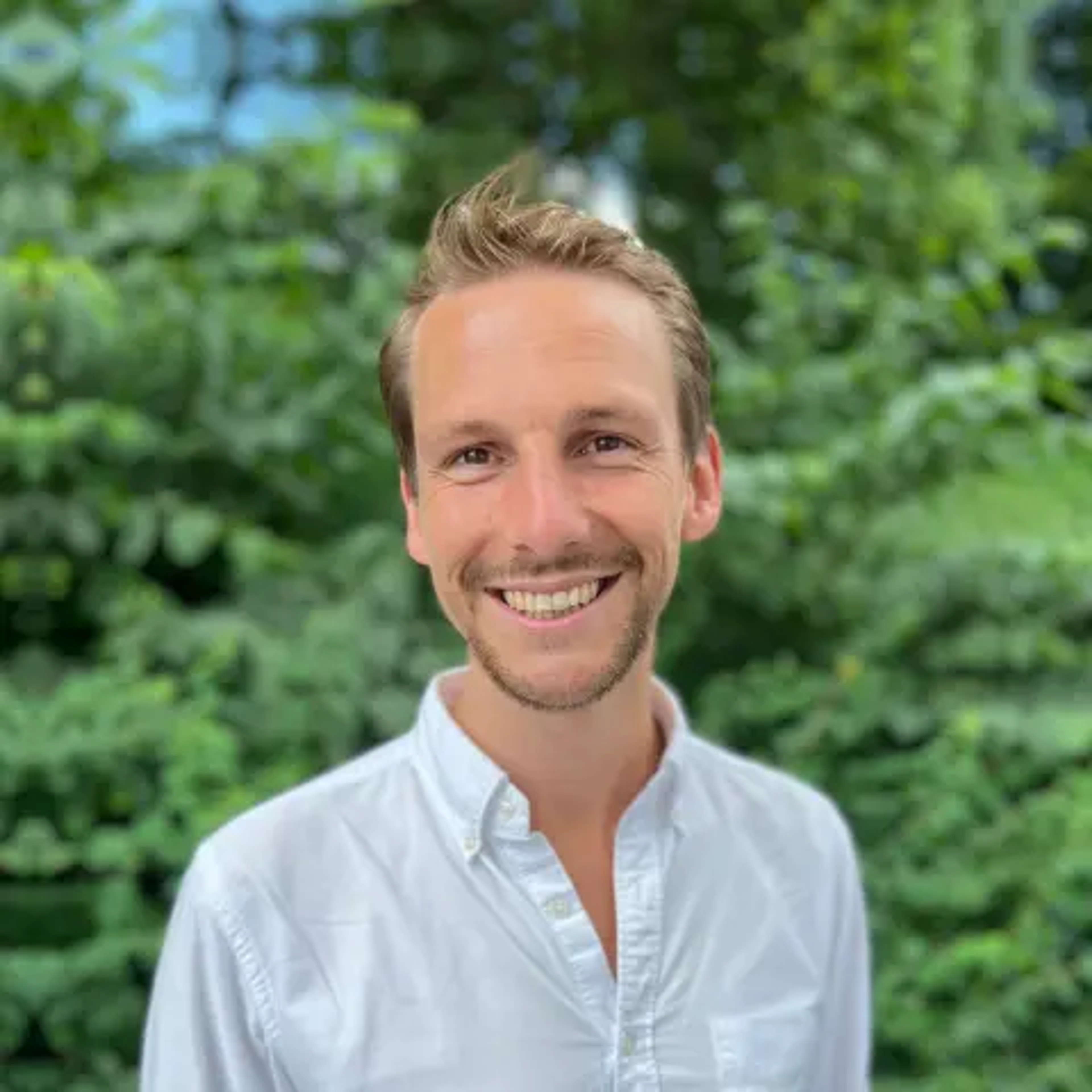
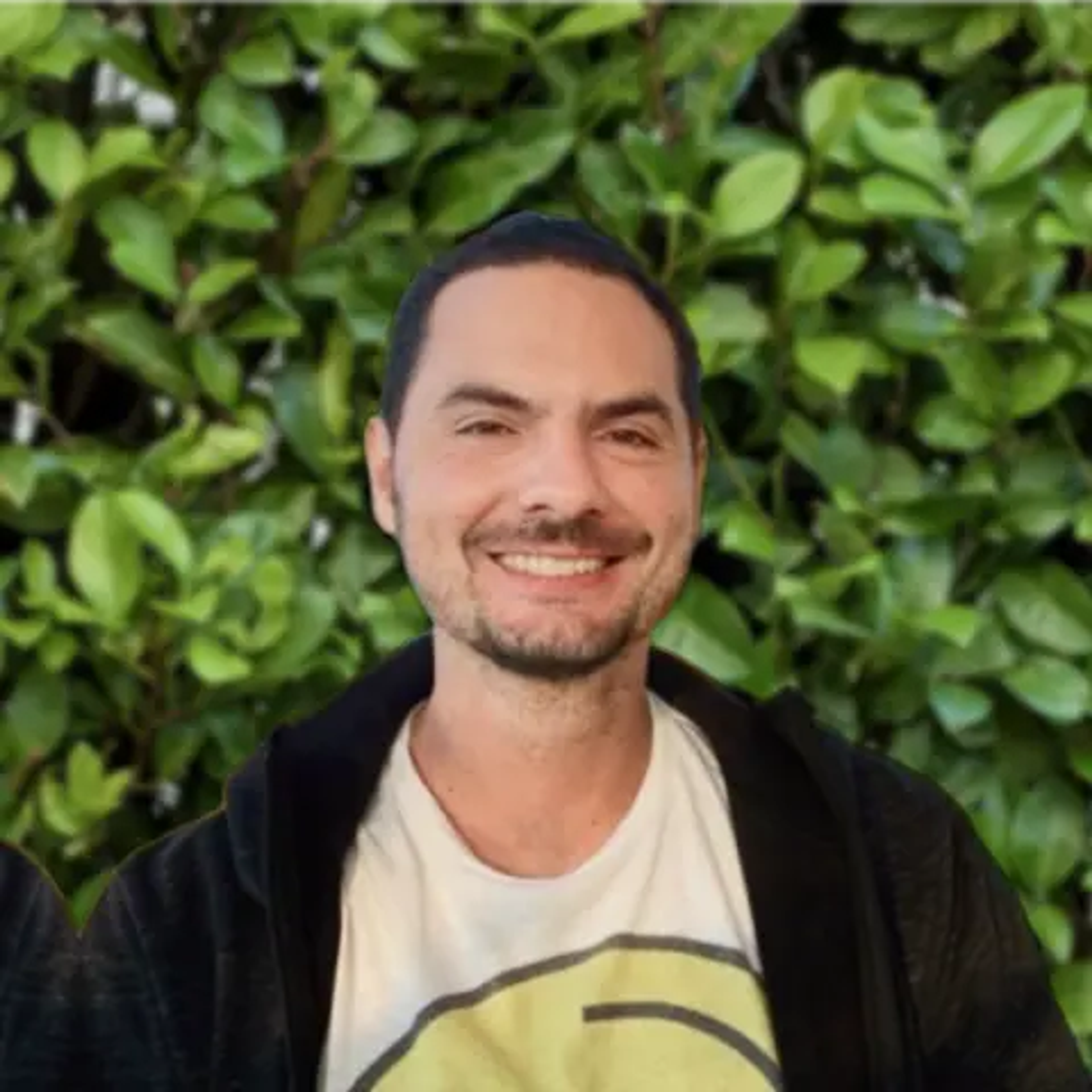
“As an undergraduate, I often argued with my friends about political and ethical matters. I regularly received the retort: ‘if you believe that, why don't you just give most of your money to people starving in Africa?’ This was meant to show that my position was absurd, but as time passed and I thought more about ethics, I found the conclusion increasingly sensible: if my money could help others much more than it helps me, then why not?” After finishing his science degree he decided to do a second degree in arts, so that he could study ethics. “Ethics is the study of what is of fundamental importance in the world, and how this relates to how we should live. At this stage I knew that I wanted to make a large positive difference in the world and it seemed that studying ethics would help.” He continued his studies at Oxford, and while there he found out just how much he could contribute through simply donating his money: “I discovered that by donating most of my future income to the most efficient charities, I could save around 500,000 years of healthy life. Since I already had most of the things I value in life on my student stipend, I realised that my money would do vastly more good for others than it could for me and decided to make a commitment to donating to the most effective charities I could find. Many people contacted me asking how they could do this as well, and so I set up Giving What We Can.” Toby is currently donating his money to a group called SCI who work on the prevention and cure of neglected tropical diseases: commonly regarded as the ‘best buy in public health’. He is very glad that he decided to think seriously about giving: “I thought that I would make a relatively small sacrifice to help so many people, but it has turned out to be no real sacrifice at all: the sense of engagement in the project of making the world a better place is worth far more to me than some new gadgets or a slightly larger house.” Becky Langham
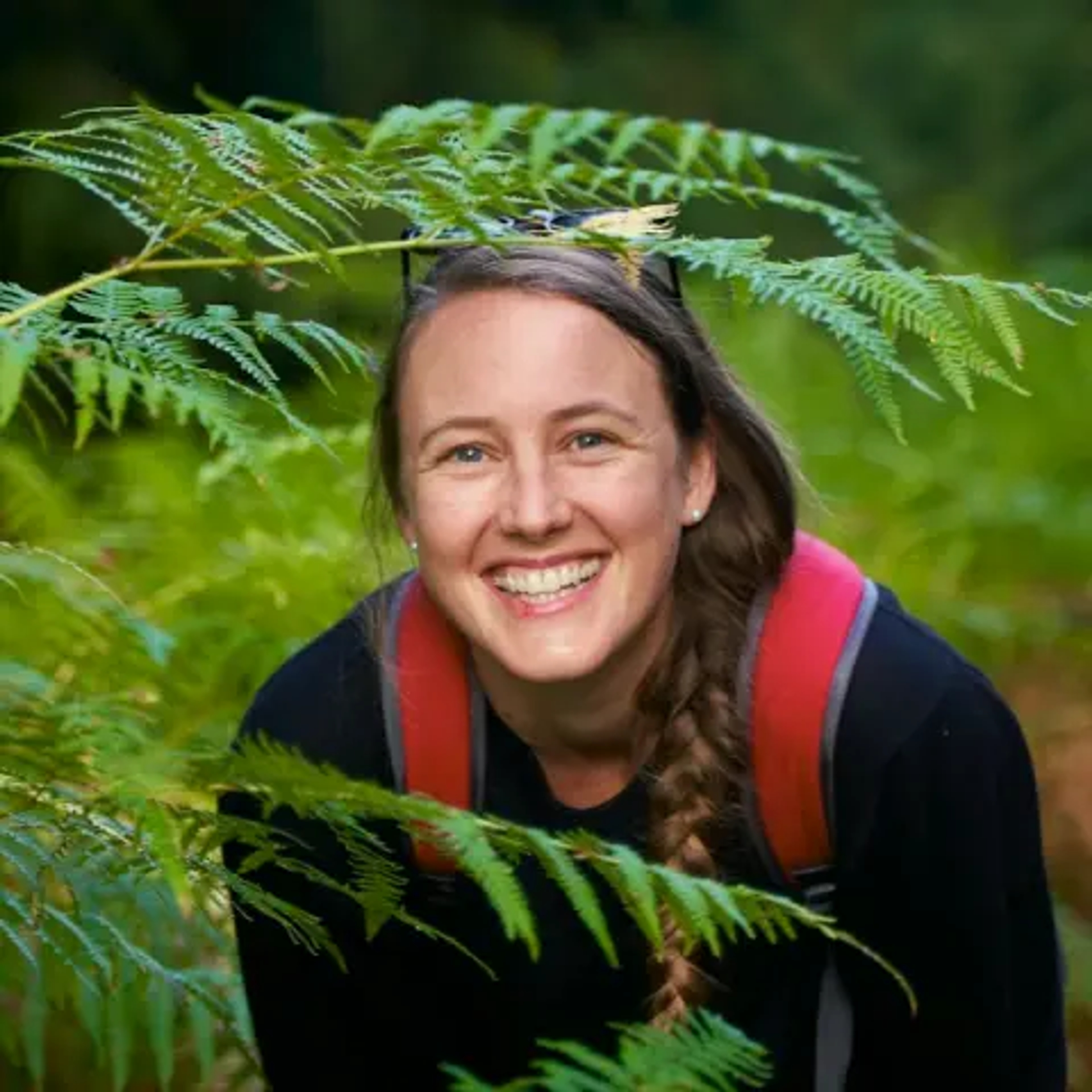
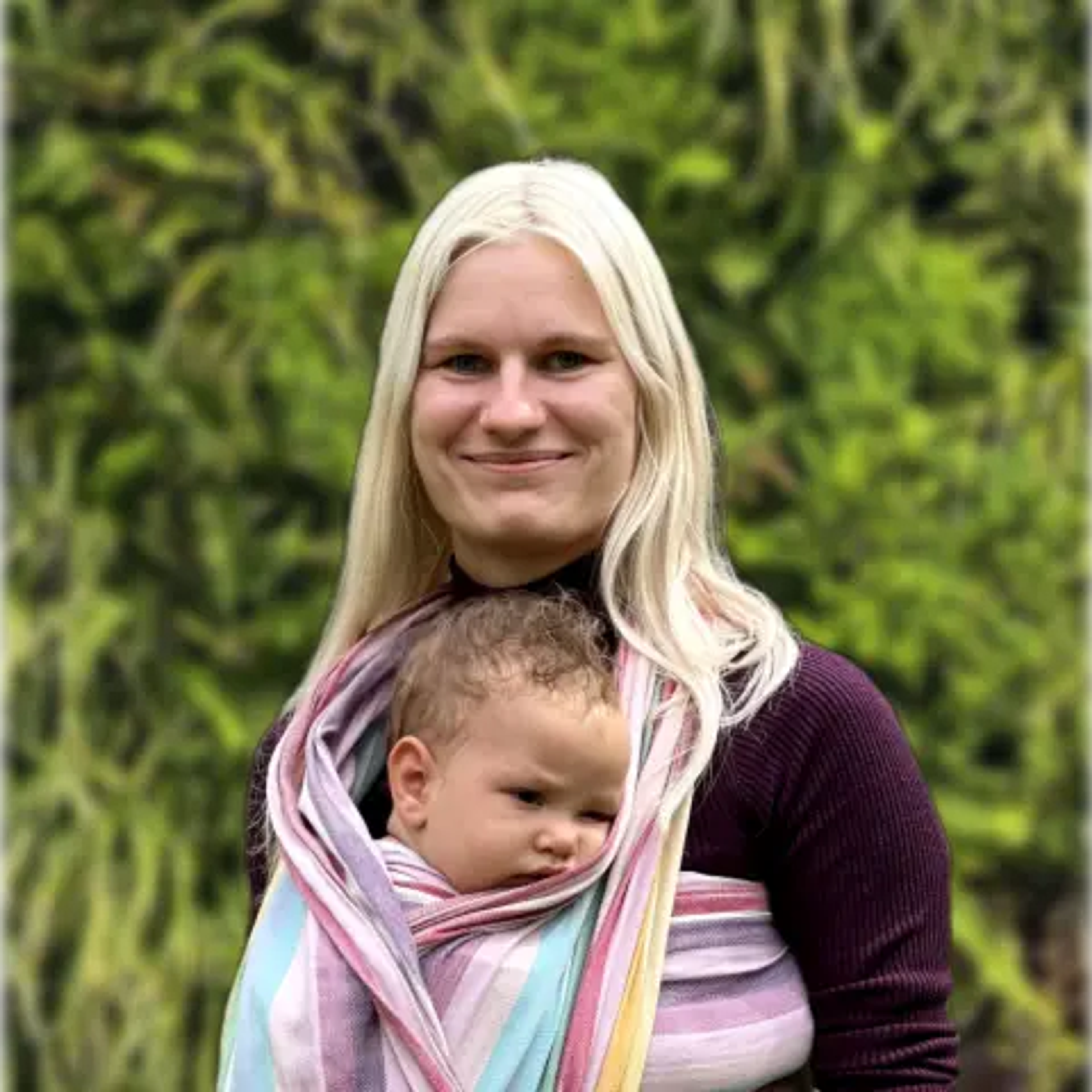
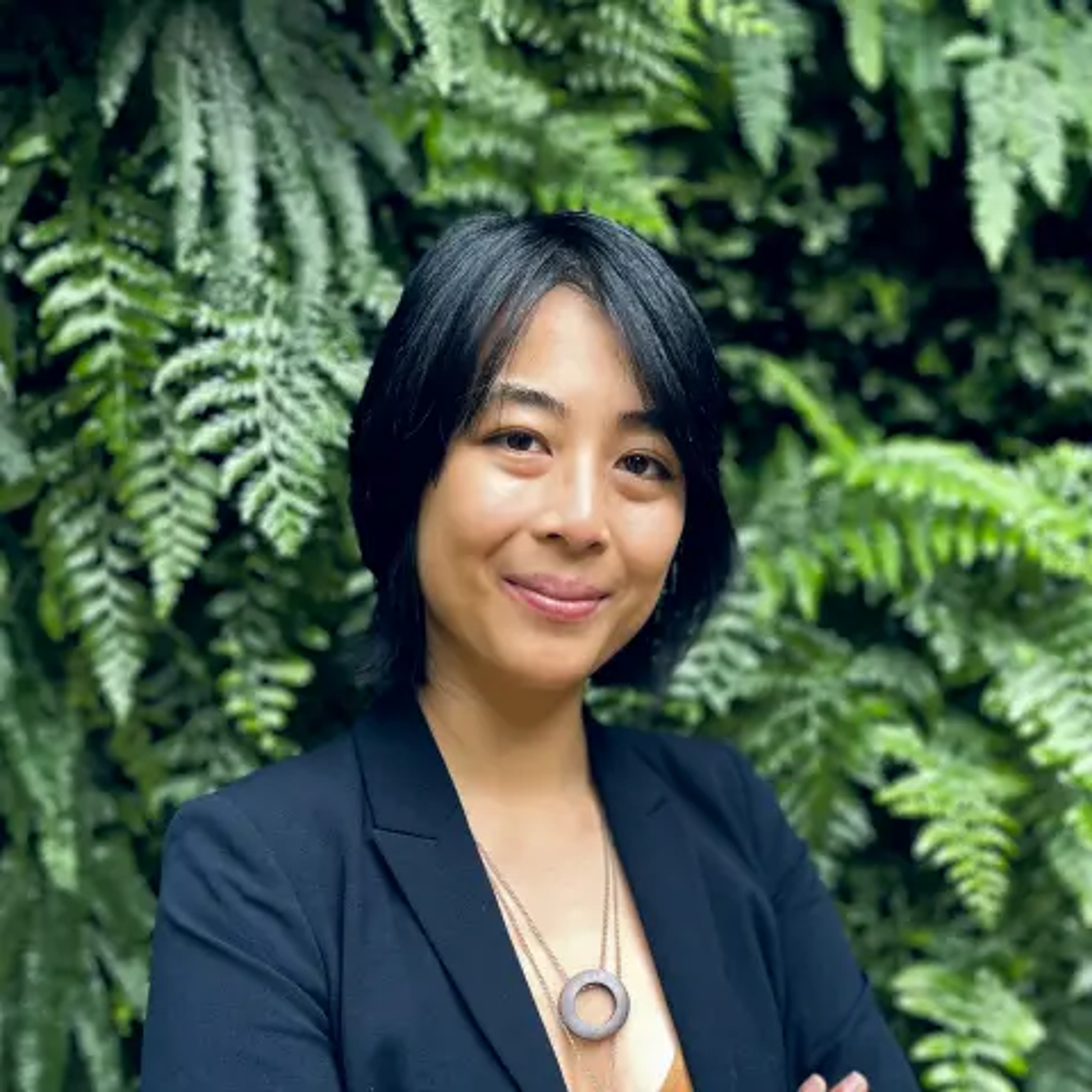
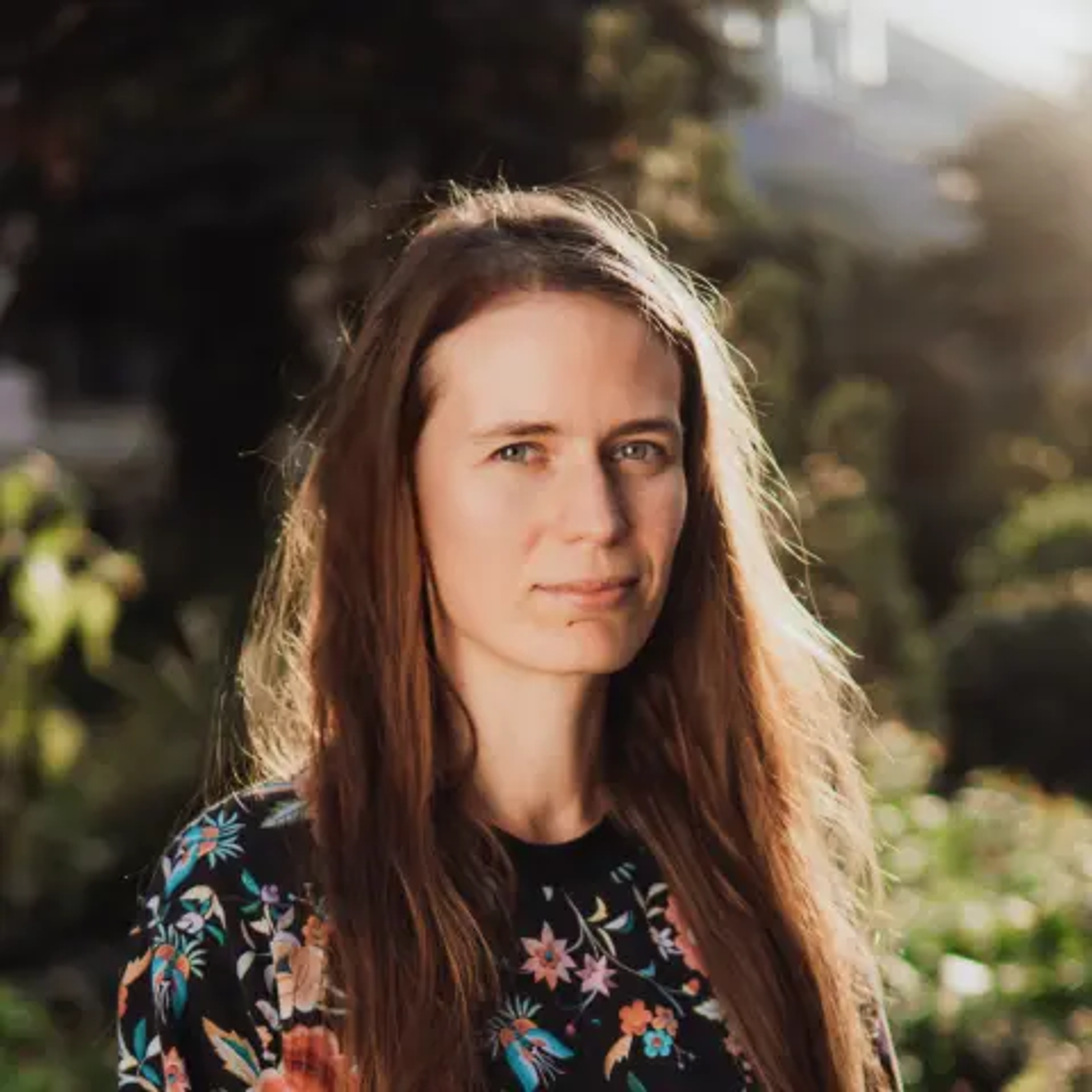
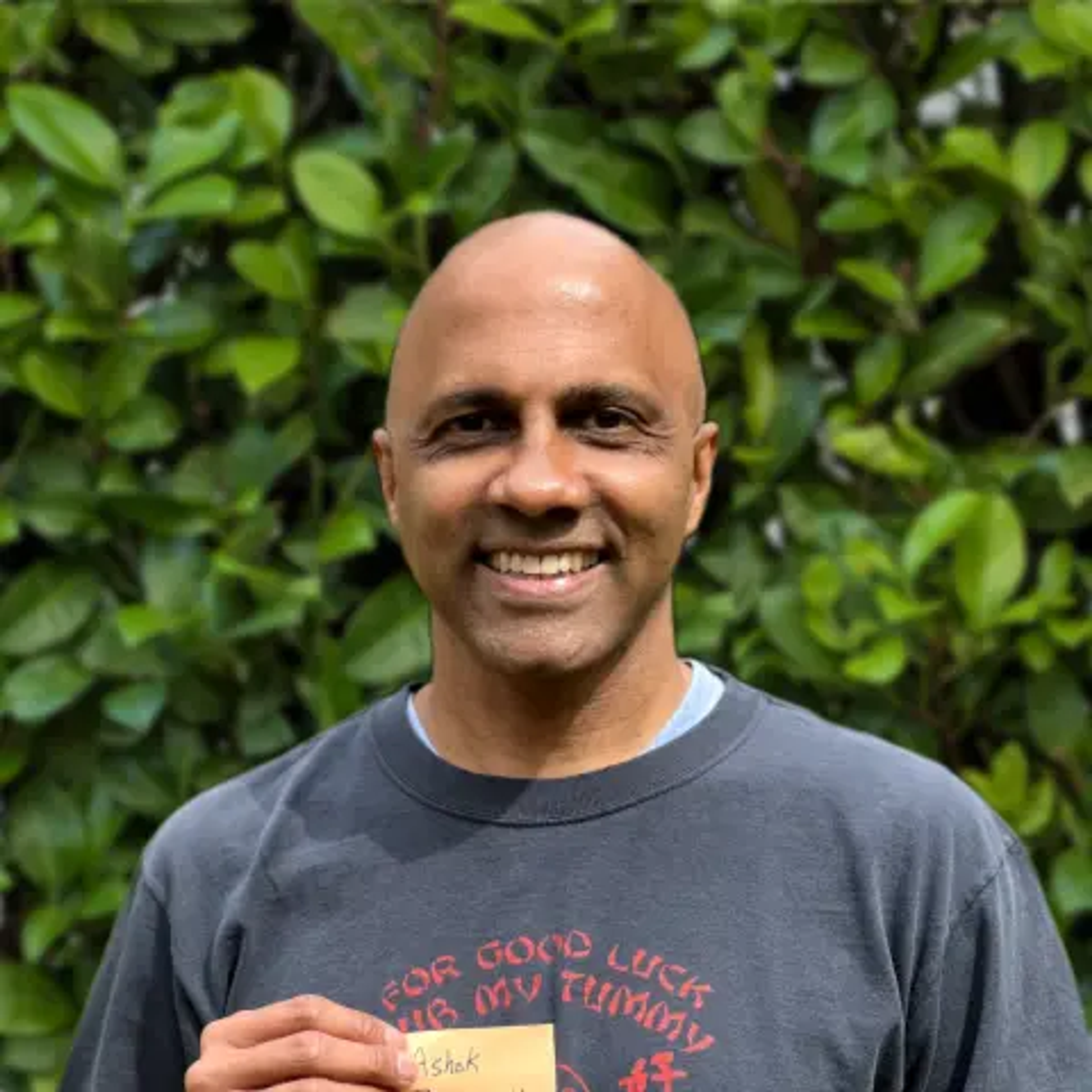
“At the moment my life consists of training to be a research scientist. Obviously this route has the potential in the future to help people, but it's good to know that I'm doing what I can.” Becky, one of our youngest members, has been giving for a long time, but taking the pledge to give is particularly important to her: “The pledge to me is life defining. As a young person and then a student you get by on little to no income and so making this pledge now, at this stage in my life, states very clearly and firmly in my mind that giving is, and will continue to be, a fundamental part of my life.” Becky believes that making this firm decision at this point will mean that life-long giving is a relatively easy thing: “I found living on a student income to be well within my means, so I don't think I'll particularly feel any monetary regret or envy, after all one can't miss what one hasn't had!” Peter Eckersley
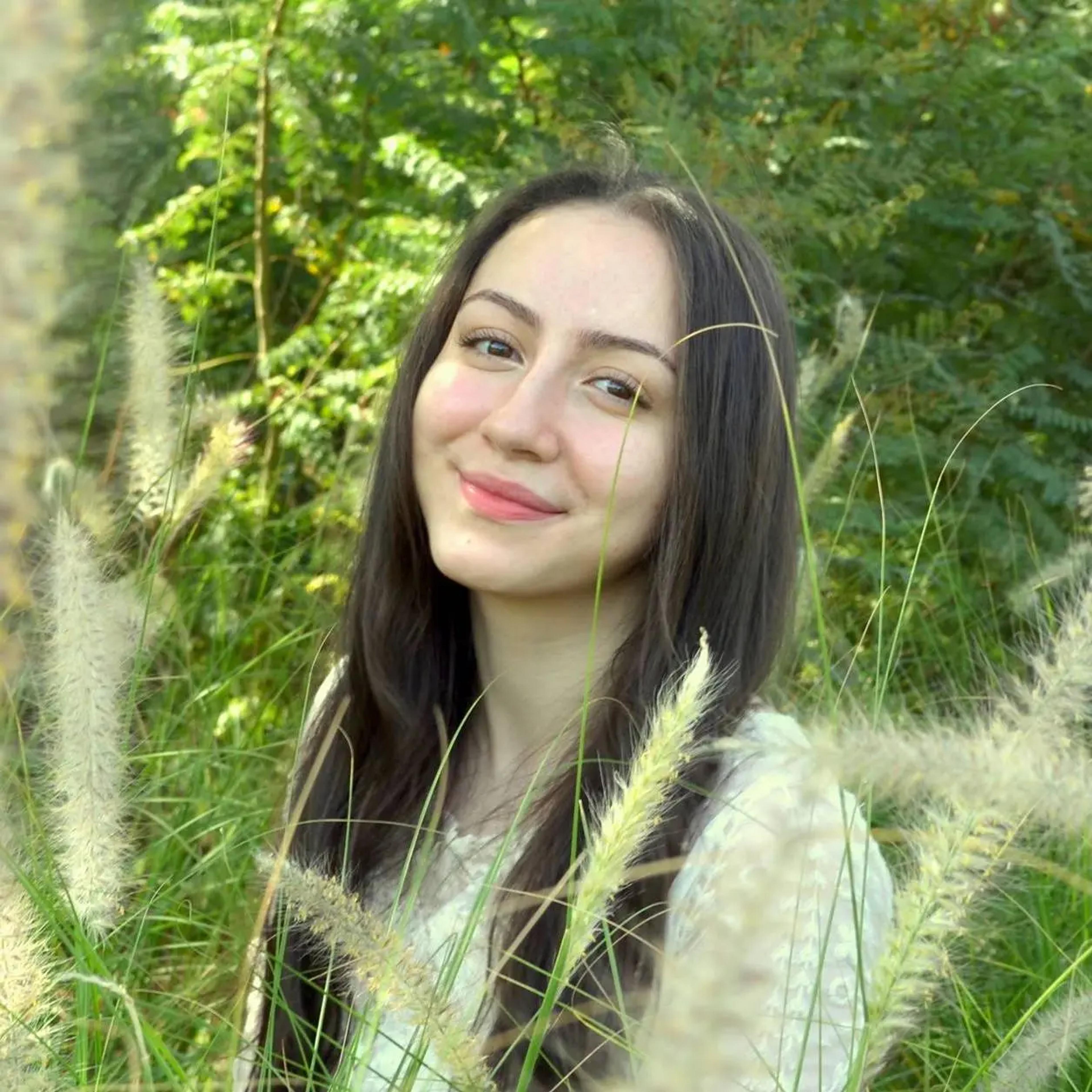
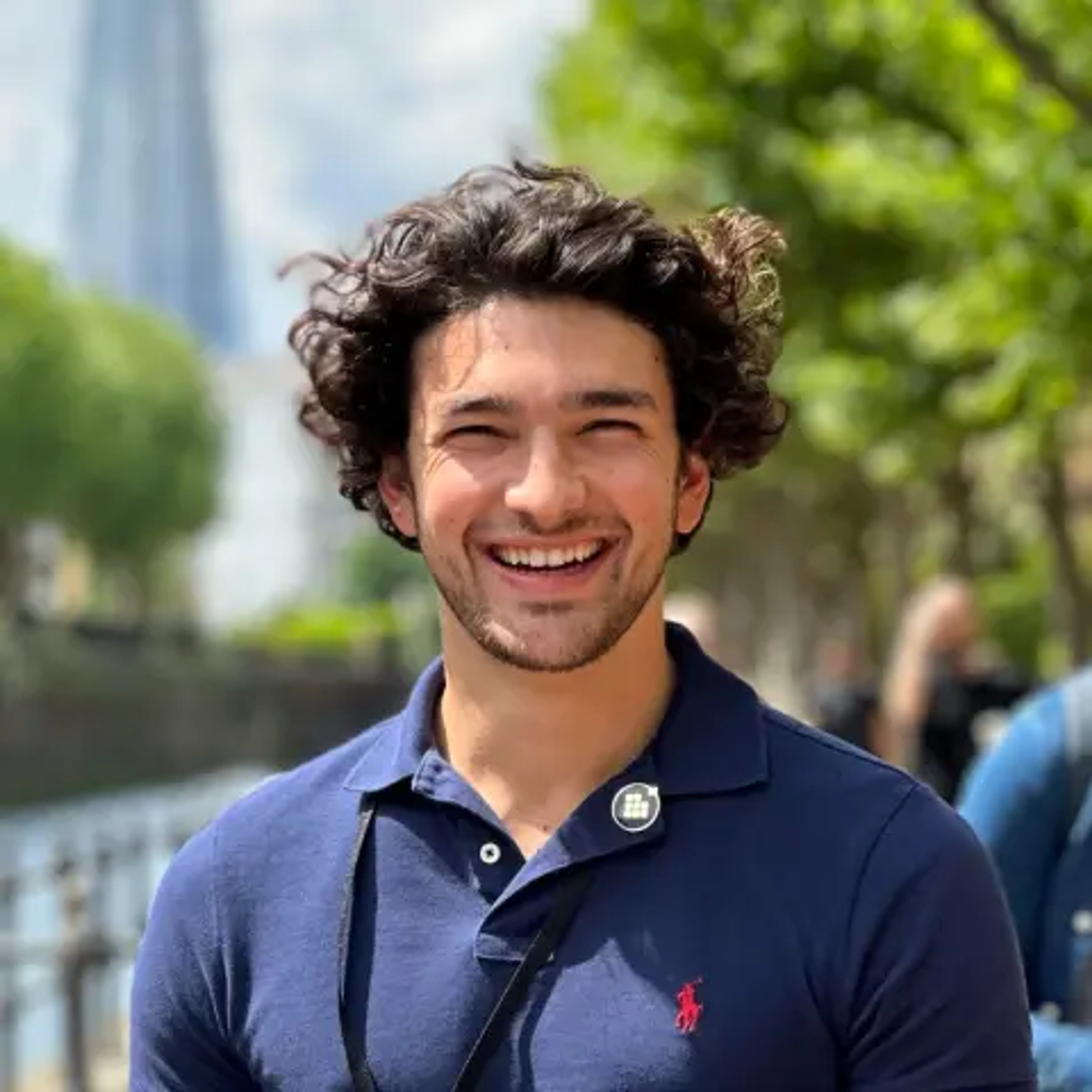
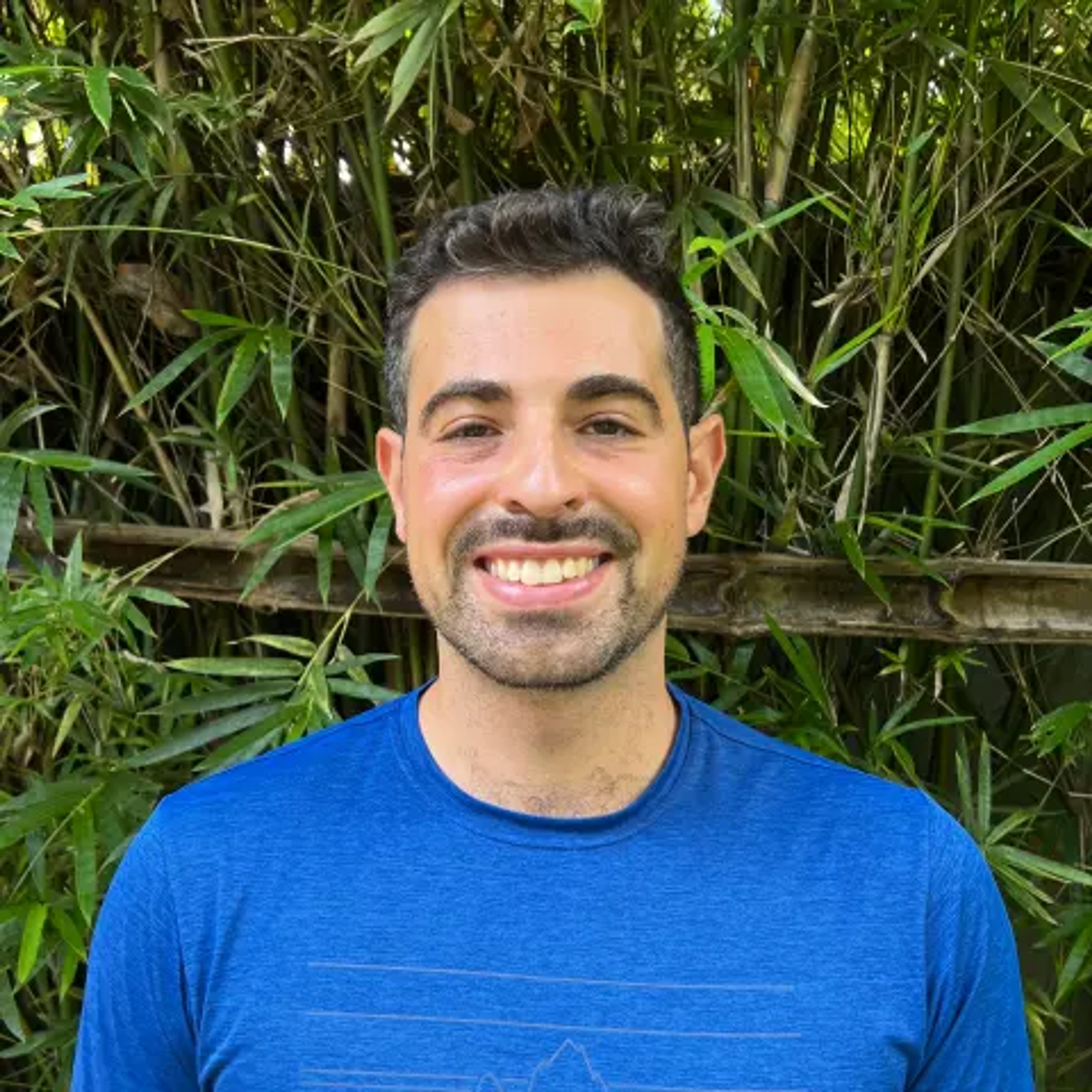
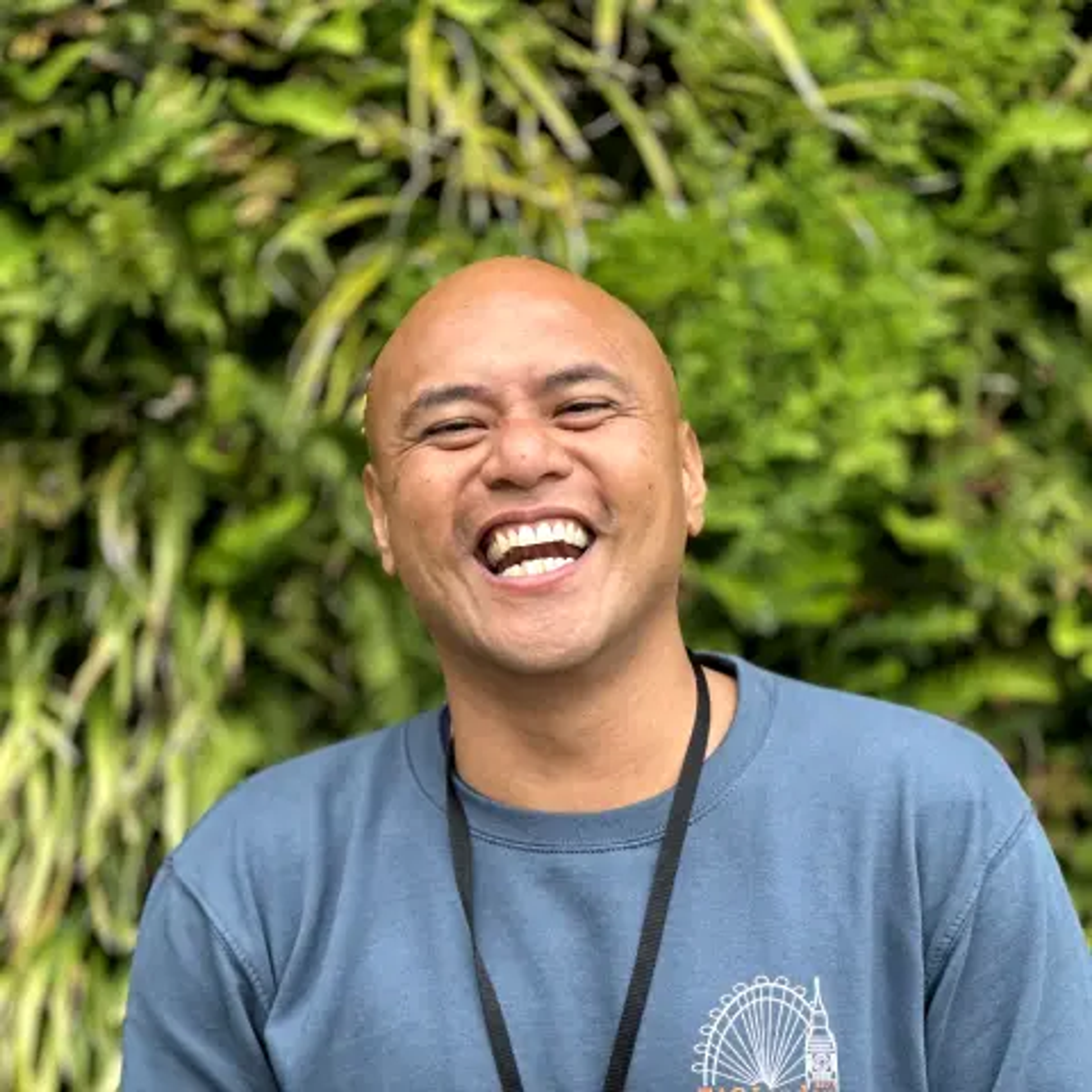
“The problems of global poverty and inequality are so vast that we often conclude that we are powerless to do anything about them. Giving What We Can is an exciting effort to change that conclusion in two ways: firstly, by finding opportunities for our spare resources to make extraordinary differences to the lives of large numbers of people, and secondly, by helping us to commit to actually taking those opportunities.” For Peter, one of the most important tasks is providing better data to organise and prioritise aid projects: “I was astonished to learn how dramatically the effectiveness of medical aid projects varies, and how little tradition there has been of trying to measure this until very recently. It turns out that there are many widespread and debilitating diseases that are extremely easy to cure. It only costs something like $10 to permanently cure someone of common parasitic tropical infections like schistosomiasis, and the fact that such small amounts of money can make such large differences to people's lives creates a moral imperative to make the treatments universal.” Is he hesitant about pledging to give 10% of his income? “For me, taking a pledge to give is exciting. I've long been persuaded that it would be better to use a good portion of my income to support very effective aid projects, but it's hard to know what they are, and often easier to spend money on luxuries that in the end aren't particularly necessary for happiness. A pledge is a way to ensure that I do what I already wanted to, a way to meet a community of people who think the same way, and a way to work together on finding the most effective projects to contribute to.” Bernadette Young
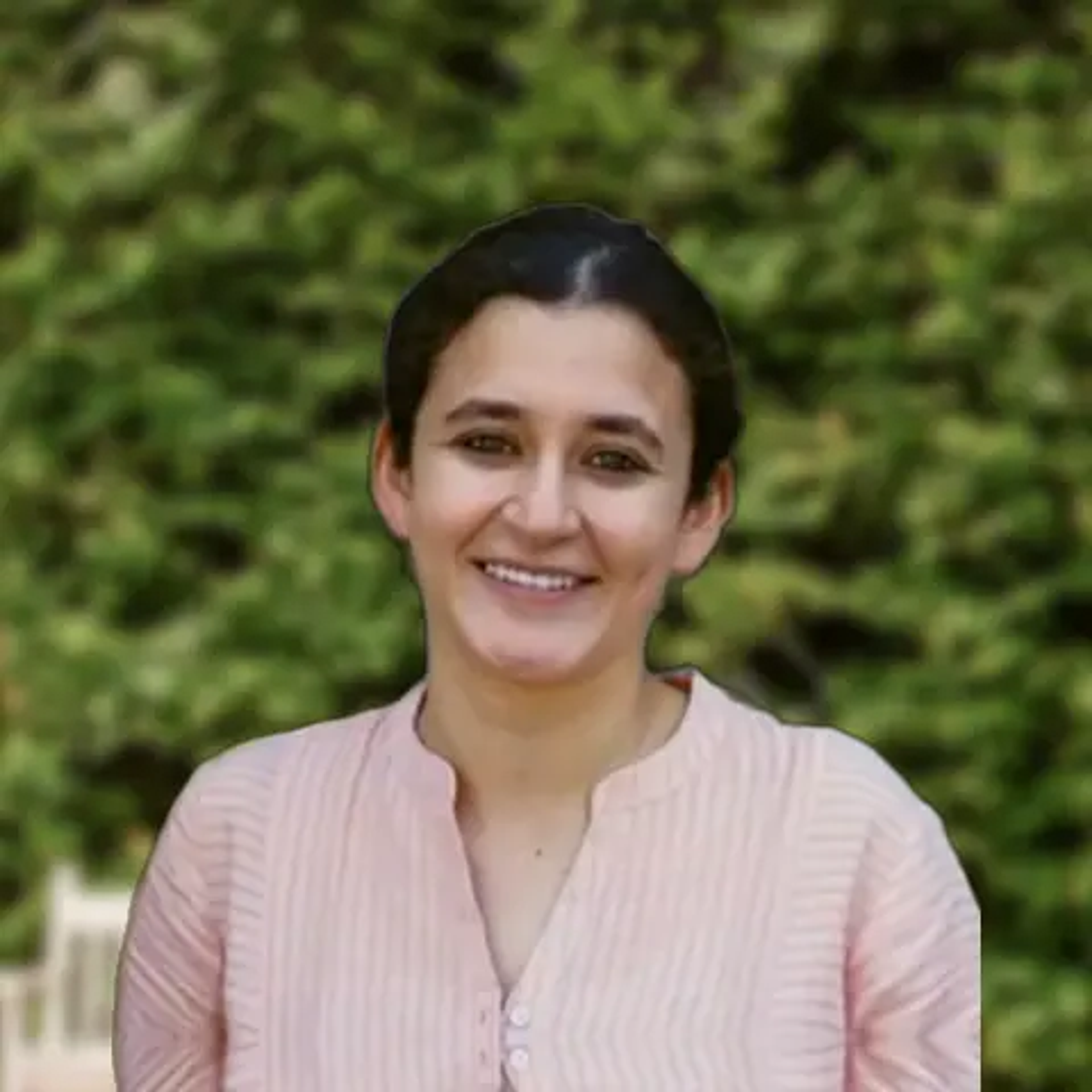
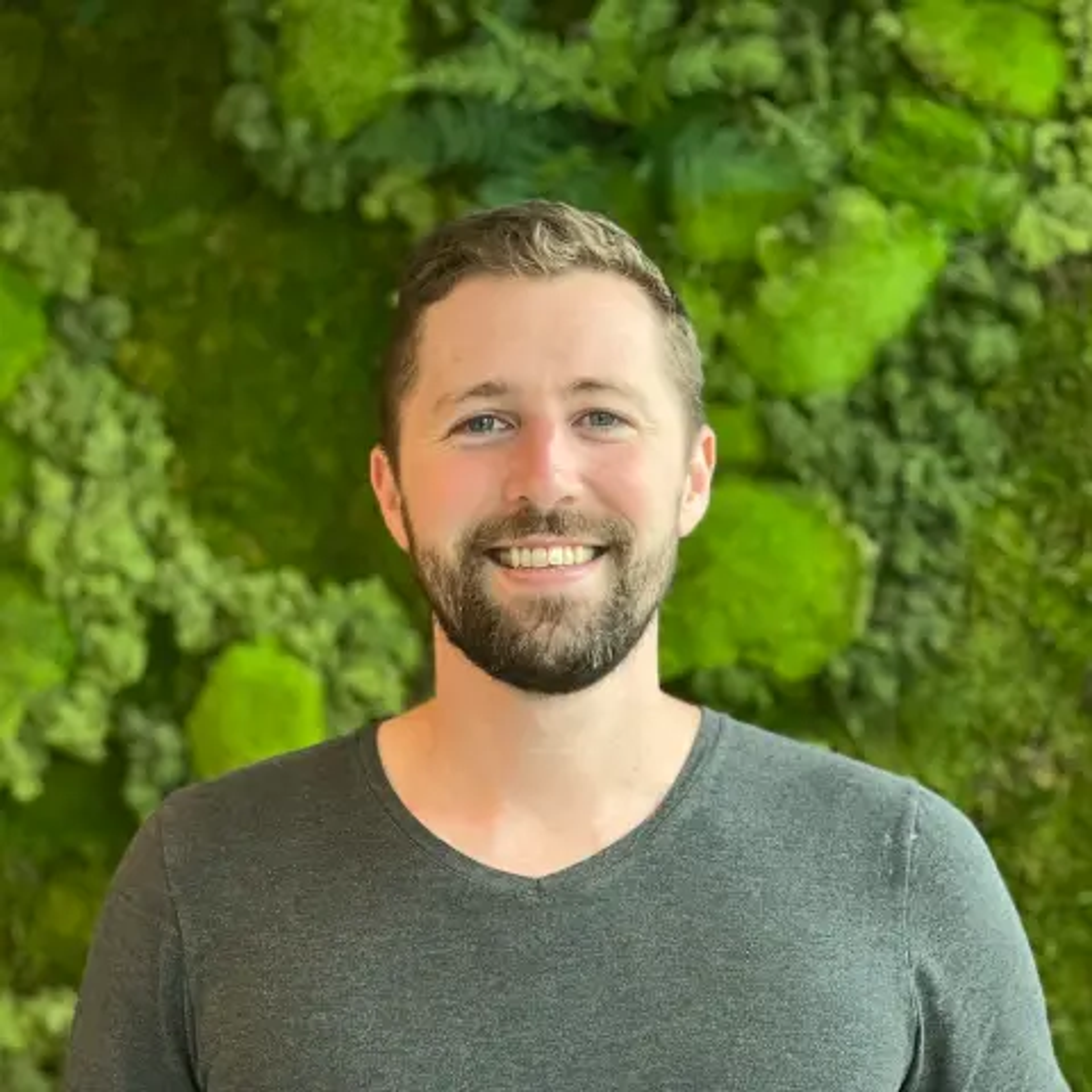
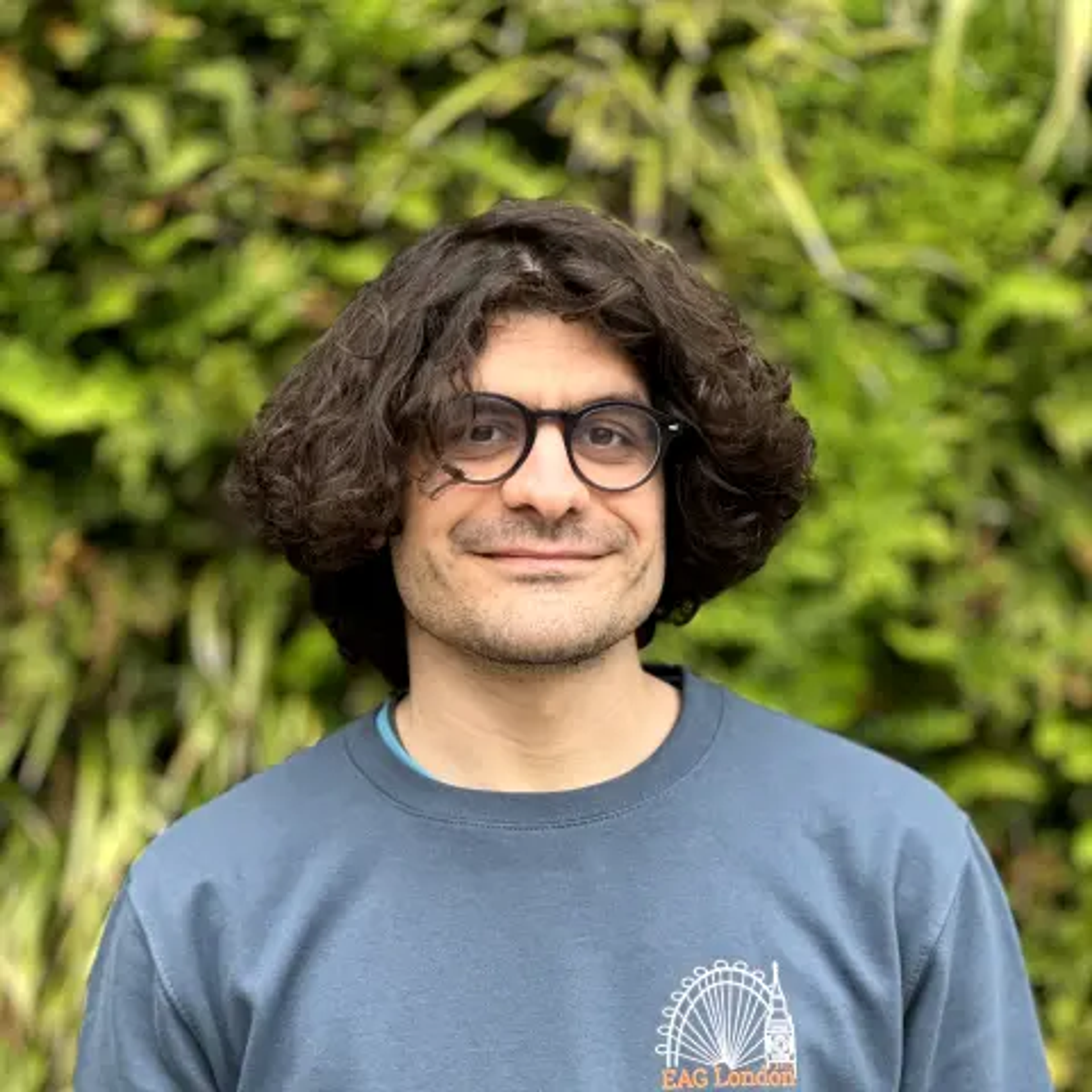
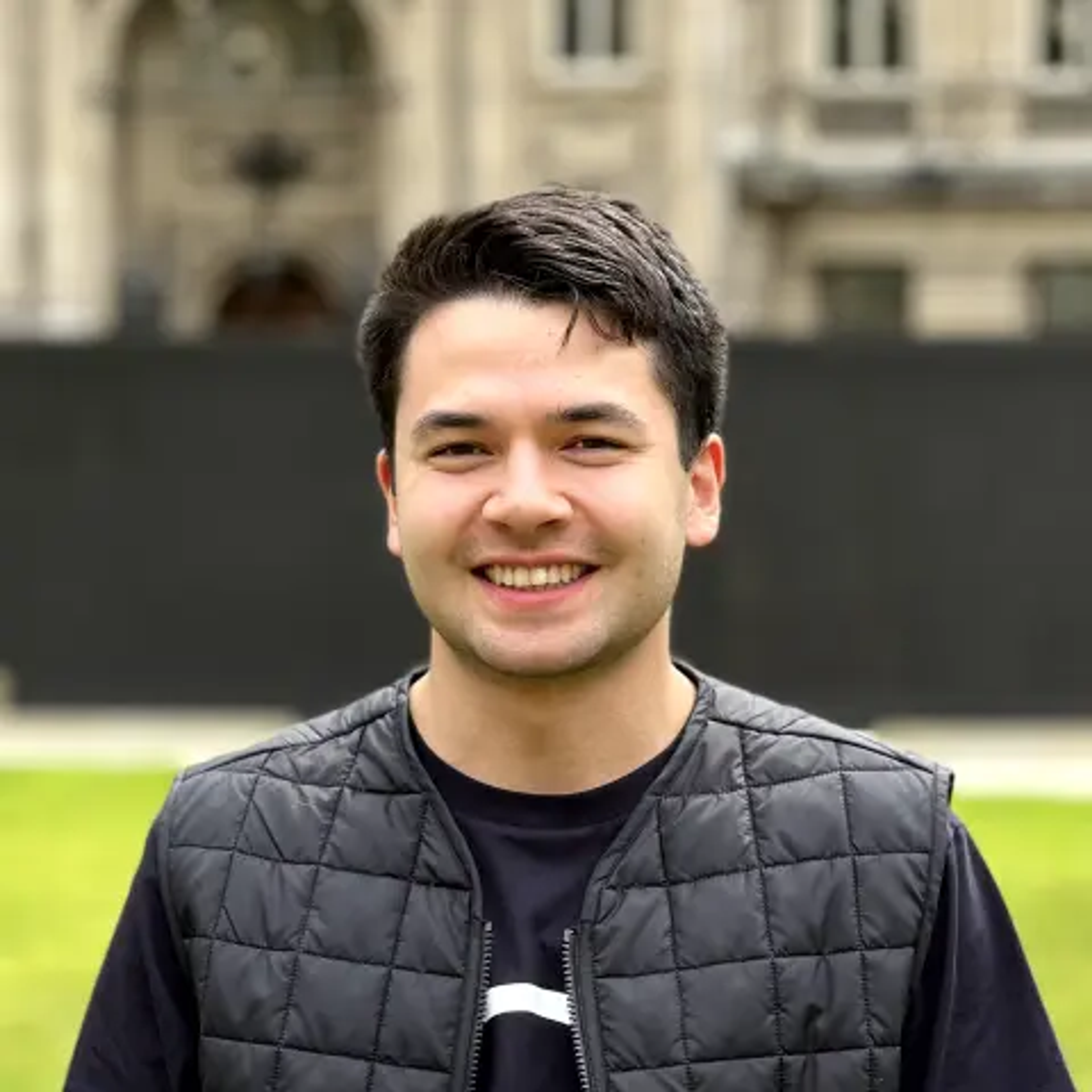
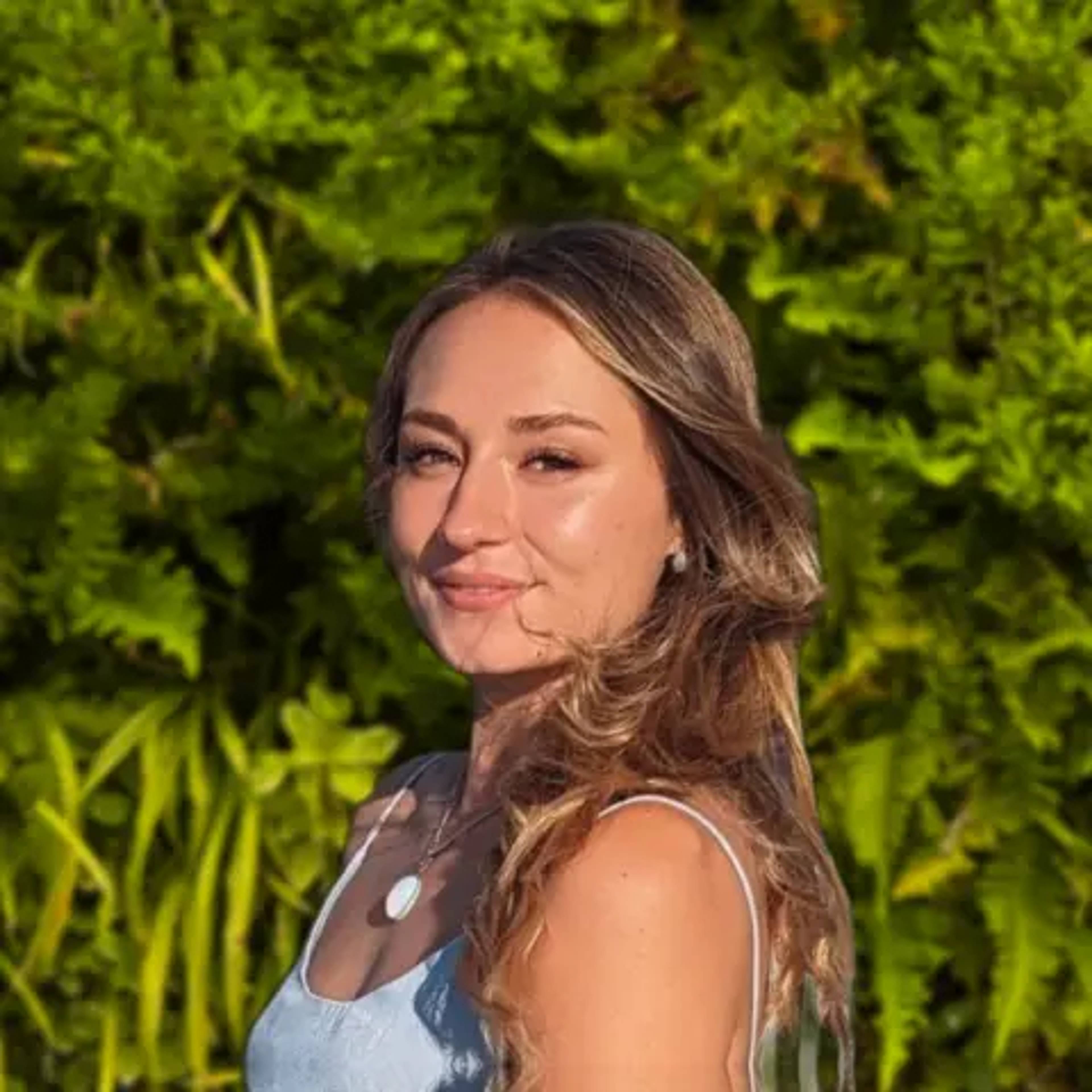
“I meet many people who are suffering. There are so many problems that can't be fixed just with money. So when I know there are millions of people whose suffering can be helped by the thoughtful use of money, it seems like a gift to be able to make a difference.” The work that can be done to alleviate poverty through health care resonates strongly with Bernadette's professional interests. “What I do — signing a cheque, deciding to do without some things — is simple and quite easy. My colleagues do harder things: working in challenging environments, developing effective ways of delivering care. It's amazing and pretty humbling to know that by funding those efforts, I can help many more people than I can in my day job.” |