
Finishing the fight
against malaria

Funding solutions that work

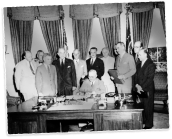
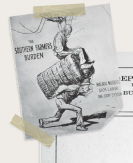


We were on a path towards eradicating malaria, because we know what works
Donate Now47 countries have been certified malaria-free since 1955 1
Case study: Cabo Verde
From the leading cause of deaths to 0 local cases 2
1950
Malaria is the leading cause of death in Cabo Verde, infecting 5% of the population every year
2010–2018
International funders invest just ~$10 per resident (alongside significant government co-financing) to spray insecticides, provide treatment, and monitor cases
2018
Cabo Verde reaches 0 local cases and becomes the first sub-Saharan African country to eliminate malaria in 50 years
But the funding that drove that progress is drying up

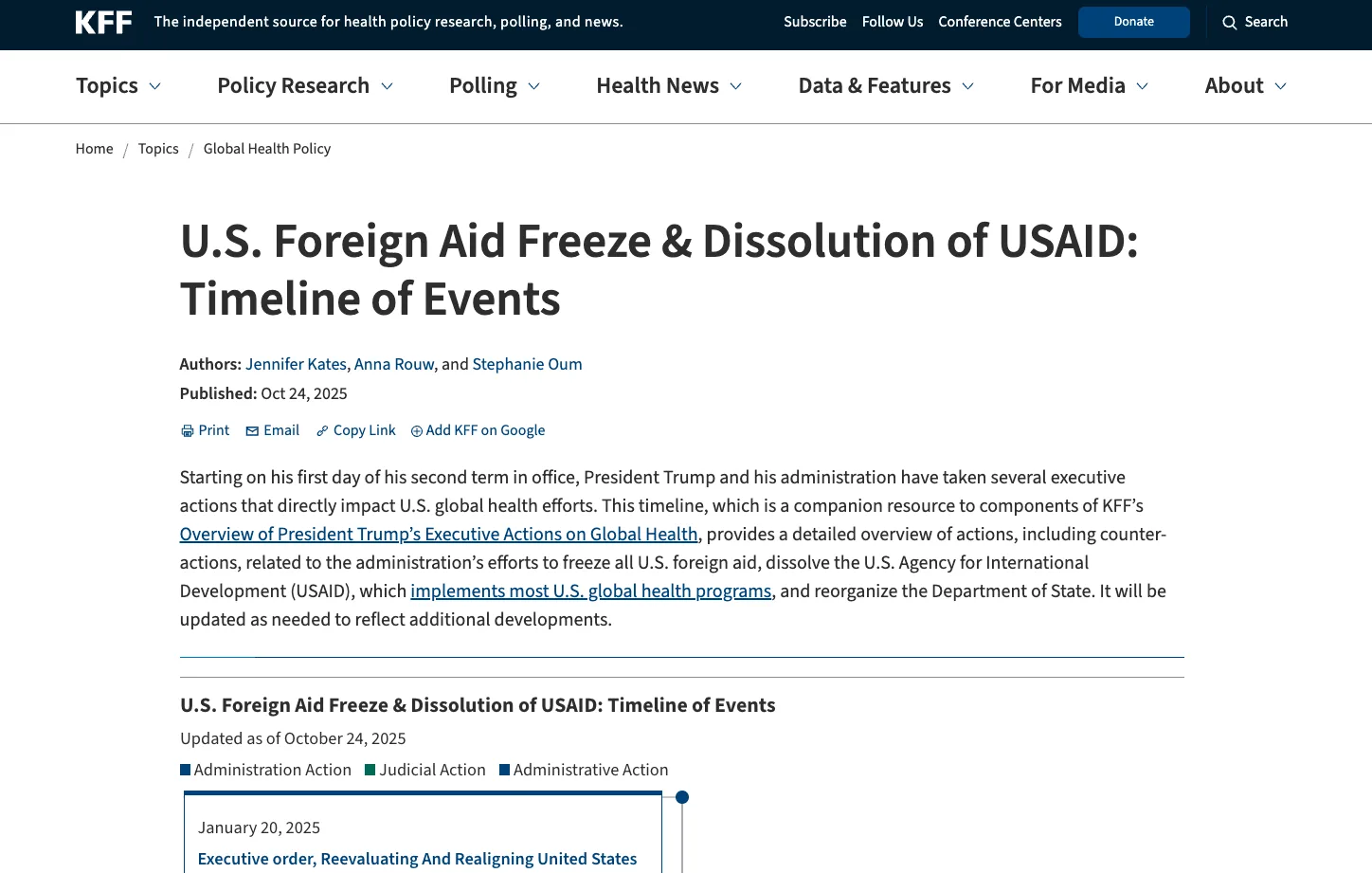
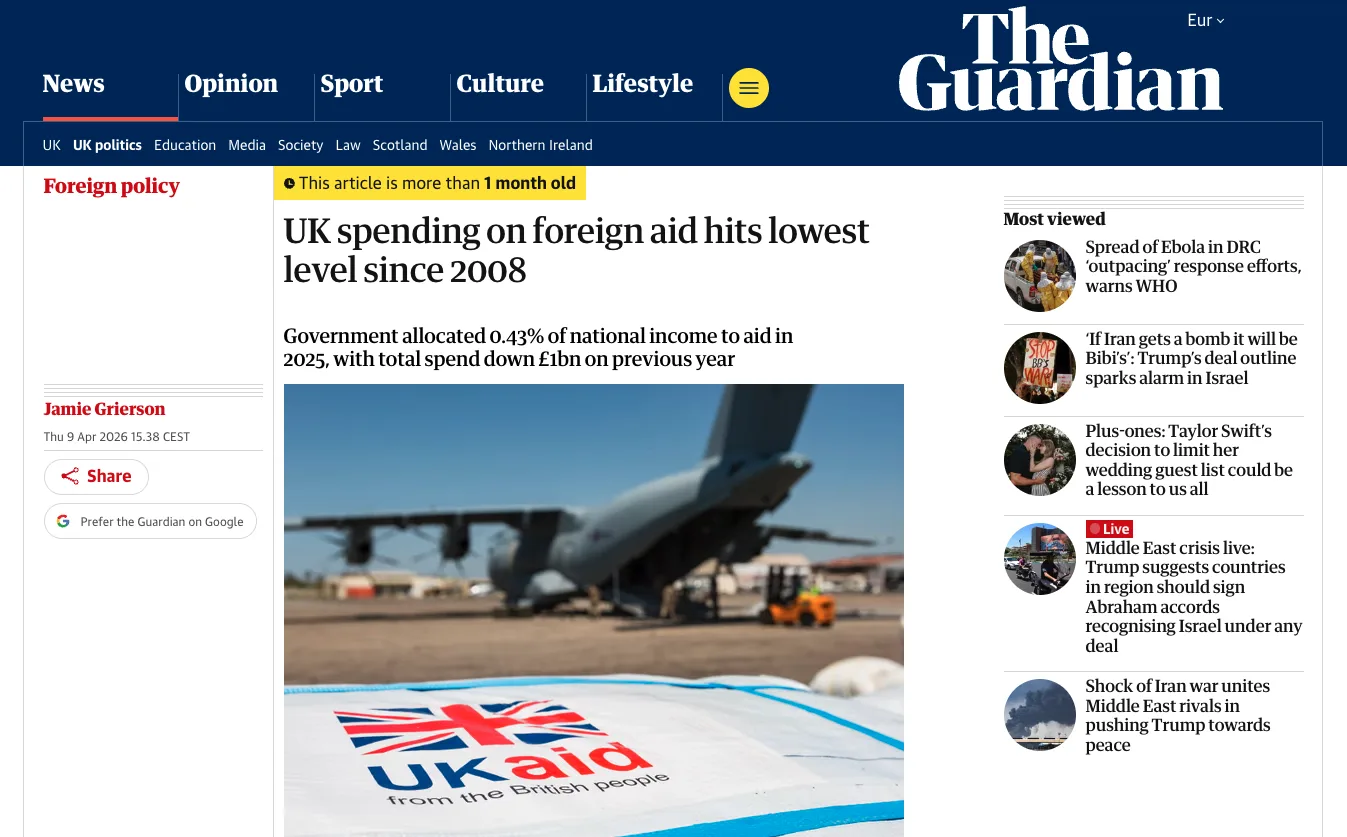
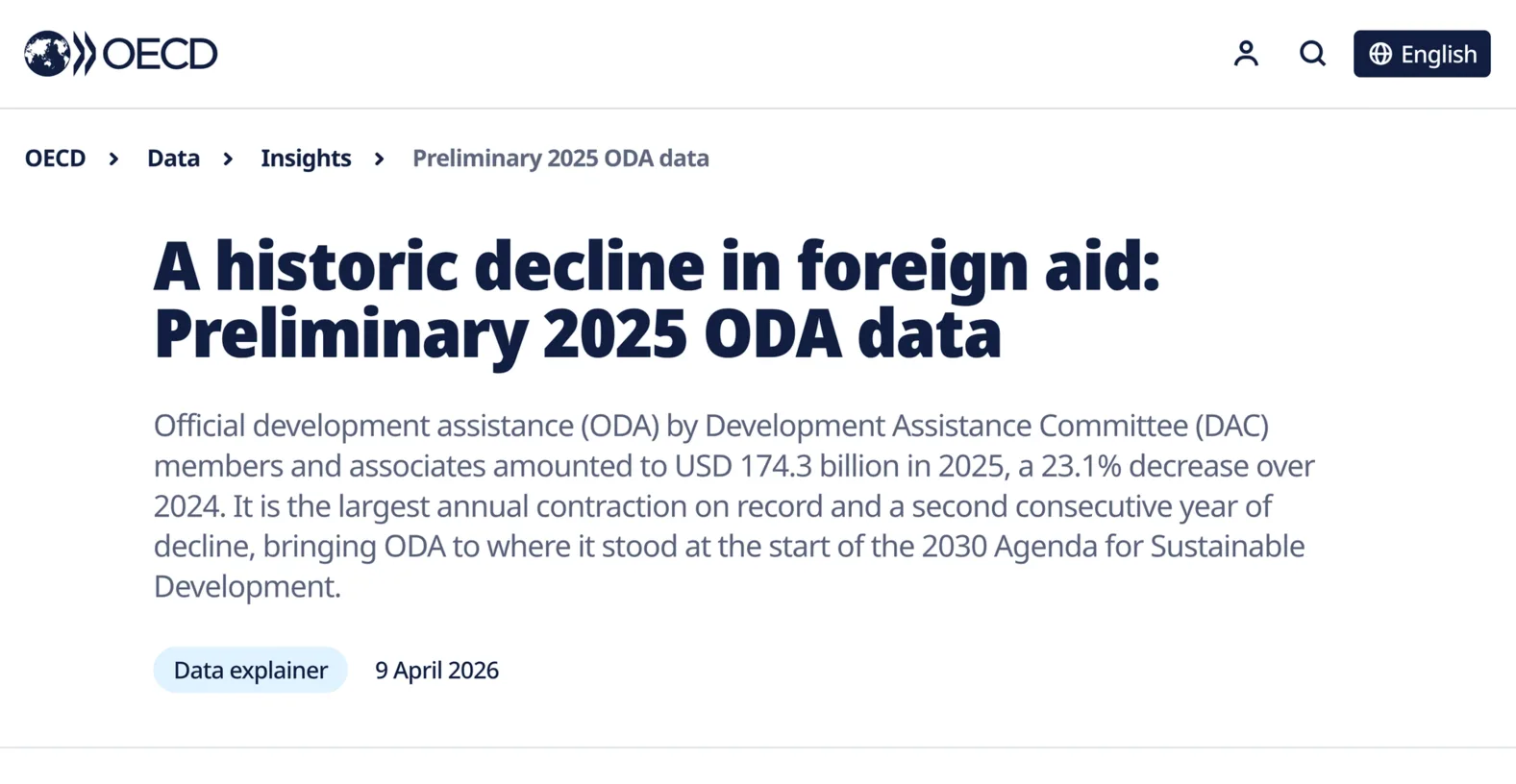
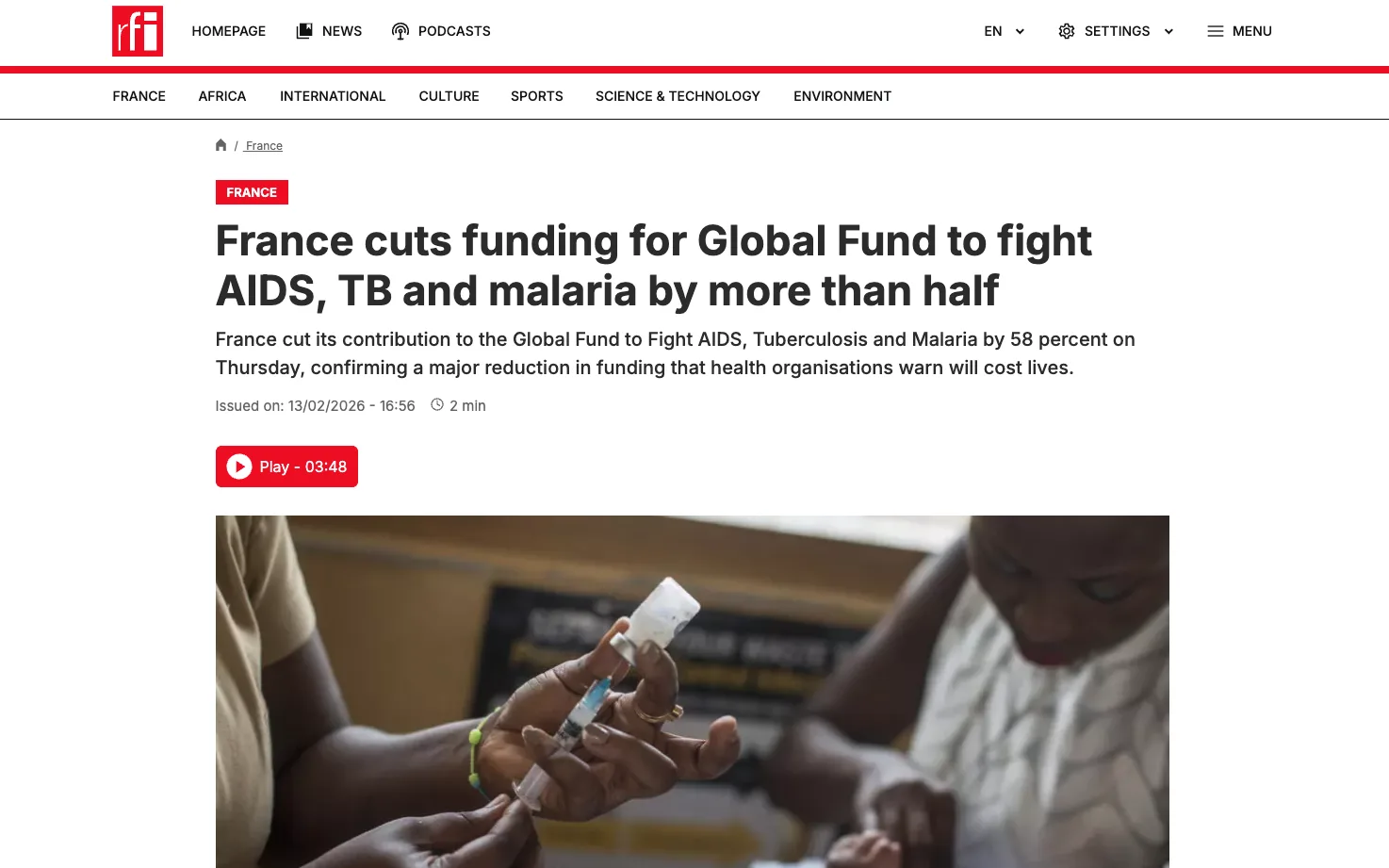
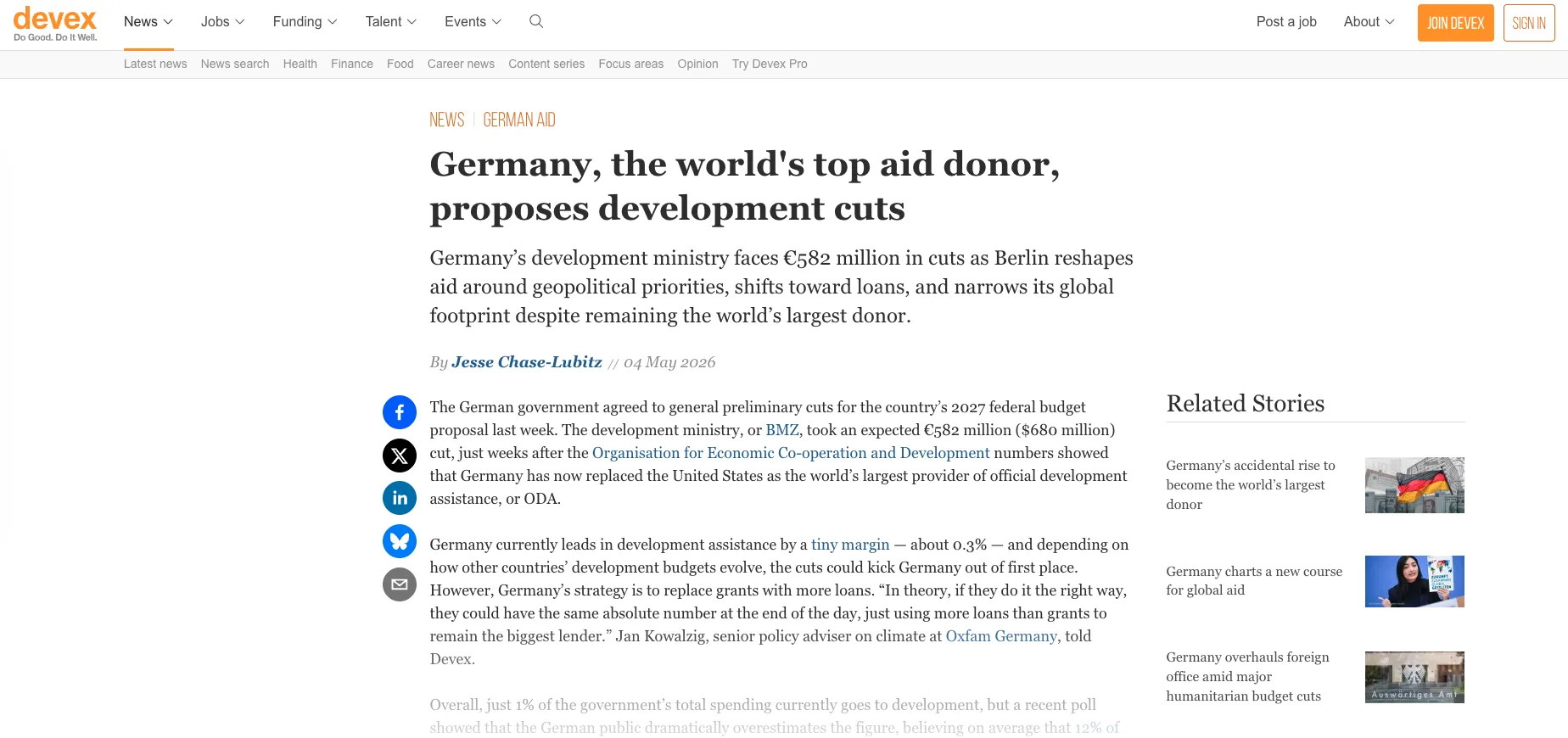
These funding cuts are compounding with other factors, threatening decades of progress
In 2024, malaria cases are at their highest since 2000, when the WHO began tracking global cases 4
Estimated global malaria cases, millions, 2000–2024
2014: After a decade of sustained investment, global malaria cases hit an all-time low
2017: Cases begin to rise, owing to insecticide resistance, climate change and other factors
2024: Cases reach highest count on record
With additional funding
Endemic countries can scale the tools that have worked for decades, like nets and seasonal chemoprevention 5
New vaccines can be rolled out to more African countries 6
Endemic countries can afford next-gen tools showing promise (e.g., monoclonal antibodies) 7
WHO can afford to provide orchestration and specialized support to 25 countries 8
We can turn the tide with tools that work

But there is a big funding gap
Insecticide-treated bed nets (ITN)
Shortfall
~$200M
Against Malaria Foundation’s (AMF’s) shortfall for 2026 net distributions across priority countries 15
Seasonal Malaria chemoprevention (SMC)
Needed to increase coverage
$100–200M
Annual room for funding at Malaria Consortium to expand SMC coverage

What your gift can do
Donations are split evenly between the Against Malaria Foundation and Malaria Consortium, two of the most cost-effective ways to save a human life

size
protected
provided
saved
Table estimates from GiveWell’s impact metrics 18: $7 of medicine protects a child, $6 provides a bednet, together saving a life at an estimated average of $5,000
Leading malaria authorities agree: eradication is achievable with sustained funding 19

“For the first time, ending malaria in our lifetime is a real possibility”
April 2026
“Malaria eradication within a generation: ambitious, achievable, and necessary”
September 2019

“Eradication is the only sustainable approach to addressing malaria…we can rid the world of this preventable, treatable disease”
Questions you might have
Against Malaria Foundation and Malaria Consortium are consistently ranked by GiveWell as among the most cost-effective ways to save a life anywhere in the world
No. 100% of your donation goes to the charities themselves. Our running costs are covered separately
Yes. GWWC donations are tax-deductible in the US, UK, and the Netherlands. If you are in Germany, Canada, Australia, or elsewhere, we recommend you donate through one of our local partners. See the full list here
Get in touch with our major gifts team for free, confidential guidance
Sources
- 1WHO official register of countries and territories certified malaria-free (2025).
- 2WHO, “WHO certifies Cabo Verde as malaria-free” (Jan 2024); Gates Foundation profile of Cabo Verde (2025); The Global Fund, Cabo Verde news release (2024).
- 3Article previews from KFF, The Guardian, Devex, RFI, and OECD, “A historic decline in foreign aid: Preliminary 2025 ODA data”, 2025–2026. Funding gap from WHO, World Malaria Report 2025, p. 60: $3.9bn invested in 2024 vs. $9.3bn 2025 target set by the Global Technical Strategy.
- 4WHO, World Malaria Report 2025, Table 2.1 (estimated global cases). Symons et al., The Lancet (June 2025), modelling of the PMI 90-day pause. Oxford Economics Africa for Malaria No More UK, The Malaria Dividend (2024). Chart: GWWC, from WHO data; figures rounded.
- 5Against Malaria Foundation, “AMF’s Funding Gap” (immediate gap): as of July 2026, AMF reports an immediate ~$200M funding gap in its work distributing life-saving insecticide-treated nets. AMF is one of a number of organizations that could effectively deploy additional funding to combat malaria.
- 6BMJ Global Health, 2024.
- 7NEJM 2024; Unitaid 2024.
- 8WHO World Malaria Report 2025.
- 9WHO, “Artemisinin resistance”: partial artemisinin resistance confirmed or suspected in 8 African countries.
- 10WHO 2025; Unitaid New Nets Project, 2024.
- 11WHO 2025; Sinka et al., PNAS 2020.
- 12Carlson et al., Biology Letters, 2023.
- 13WHO, “New report signals country progress in the path to malaria elimination” (2015): an estimated 663 million cases averted since 2000, primarily through ITN scale-up.
- 14Korenromp, Lives saved from malaria prevention in Africa, Malaria Journal (2012).
- 15Against Malaria Foundation, “AMF’s Funding Gap” (immediate gap), the shortfall across AMF’s approved net-distribution programmes.
- 16Druetz et al., Effectiveness of SMC on malaria morbidity in Burkina Faso, Malaria Journal (2022): programme target of a 75% reduction in severe malaria episodes.
- 17ACCESS-SMC Partnership, The Lancet (2020); ACCESS-SMC final evaluation.
- 18Impact metrics for grants to GiveWell’s Top Charities.
- 19WHO Global Malaria Programme, Eliminating malaria (who.int); Feachem et al., The Lancet Commission on malaria eradication (2019); Bill & Melinda Gates Foundation malaria strategy (2024).
- 1WHO official register of countries and territories certified malaria-free (2025).
- 2WHO, “WHO certifies Cabo Verde as malaria-free” (Jan 2024); Gates Foundation profile of Cabo Verde (2025); The Global Fund, Cabo Verde news release (2024).
- 3Article previews from KFF, The Guardian, Devex, RFI, and OECD, “A historic decline in foreign aid: Preliminary 2025 ODA data”, 2025–2026. Funding gap from WHO, World Malaria Report 2025, p. 60: $3.9bn invested in 2024 vs. $9.3bn 2025 target set by the Global Technical Strategy.
Thank you for taking the time to look into this website and for considering a donation

The money doesn't go to me, or to GWWC, we didn't even turn on ads for the video
Thank you for taking the time to look into this website and for considering a donation. The money doesn't go to me, or to GWWC, we didn't even turn on ads for the video